Music, Fun and Drama at the DuPage County Fairgrounds
In the beginning: all manner of entertainment venues sprang up in the Chicago suburbs in which the baby boomers, now teenagers in the 1960’s, could gather for fun and frolic. Face-to-face encounters in shared spaces were the only way for kids to get acquainted. There was no internet, social media, cell phones, etc. The only outbound link to another person was that one dial phone in the house, with no privacy, wired to a wall and typically shared with at least five or more other family members. Face-to-face encounters were the foundations of teenager relationships and social networks. Entertainment venues geared to teenagers became the social destinations of the times.
Churches had “teen clubs”. Suburban towns provided spaces called “youth centers”. Privately owned venues such as the Celler, Chetah and others opened up and featured popular name bands with hit records that were played on WLS and WCFL radio in Chicago. Disc jockeys from these stations would hire out on a contract basis to be celebrity emcees at many of these teen scenes. Below the pop radio scene were countless local garage (because that is where they practiced) bands who performed to make live music a common phenomenon wherever kids gathered.
It was during the Christmas week in 1964 when a spark ignited that eventually exploded into the concert scenes at the DuPage County Fairgrounds in Wheaton, IL. Announcements were being broadcast on WLS radio to promote DJ Clark Weber as the emcee for a big dance to be held at the St. Andrews Country Club in West Chicago; perfect timing for high school and college kids that were home on Holiday break from school looking for something to do. I went to the event and discovered that an acquaintance of mine by the name of Everett Slade (he was the catering manager at St. Andrews) was the promoter and organizer of this event. I had a conversation with Slade and learned the tricks of the trade to hire bands, radio DJs and promote a concert event.
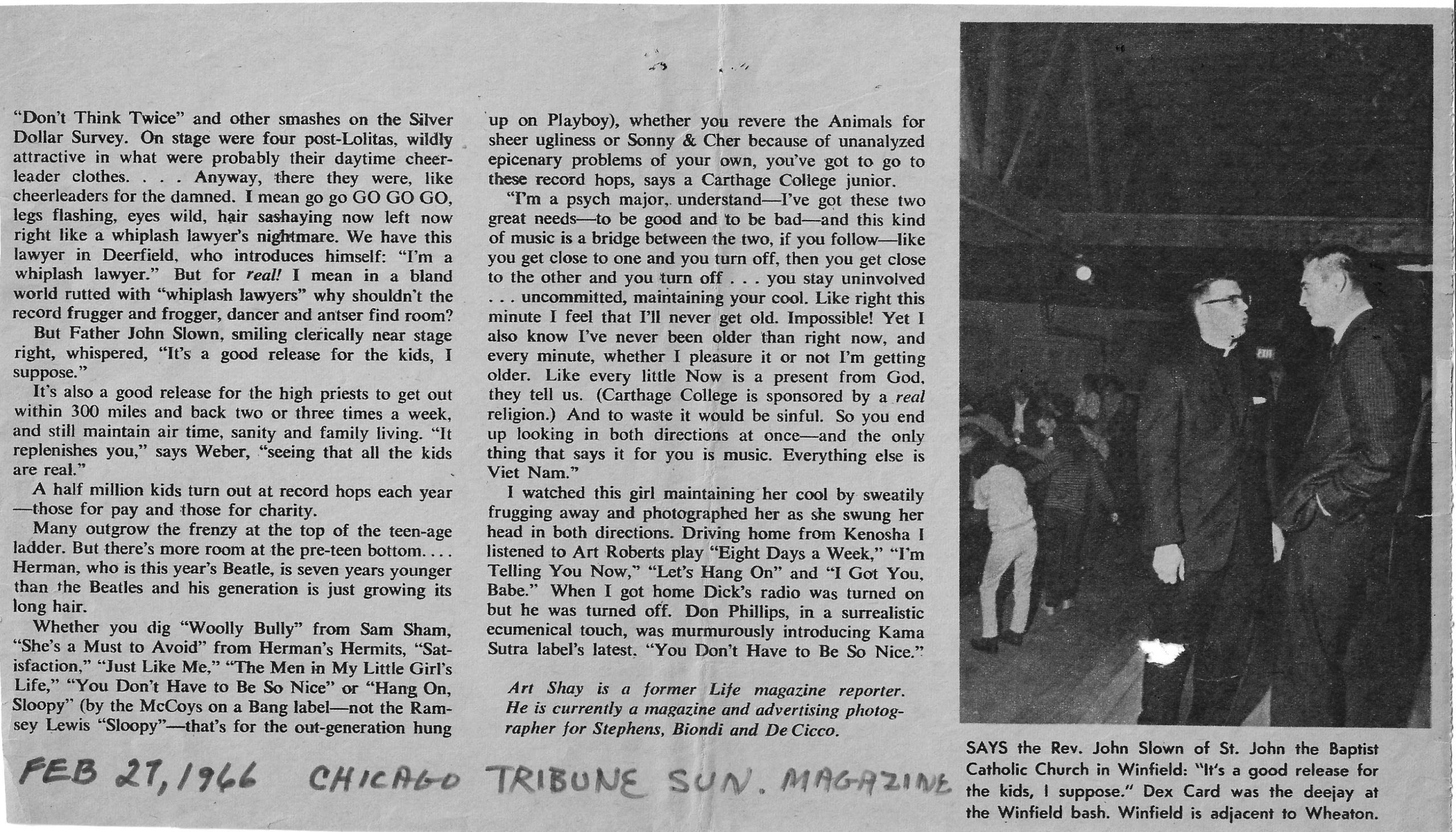
As president of the St. John Teen Club (SJTC) in Winfield I decided that the club should sponsor a similar event and raise big bucks for the club. The event was held in a building at the DuPage County Fairgrounds on February 27, 1966. Dex Card from WLS radio was hired as the celebrity emcee along with a couple of local teen bands. Somehow my mom got this event published in the Chicago Tribune! See Fr. Sloan (St. Johns’s Parish) and Dex Card having a chat, see photo on under “Fun Photos”.
The Dex Card event was a huge financial success for SJTC. This money-making result prompted myself and two ambitious members of the SJTC to brain storm and eventually organize Bob Allen Productions (BAP) during the Spring-Summer months of 1966. Timing was everything. The mid 1960’s was a booming environment for teenage-oriented music venues. 45% of the U.S. population was under the age of 25 in 1963. The Teenie-bopper baby boomers took over and re-shaped the American culture during the 1960’s…at least we thought we did!
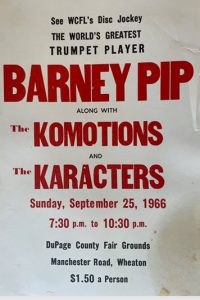
Al Slivinski, Bob Geraghty and Ginny Vogt, officers of the SJTC, pooled their money together and organized BAP as a promotion company to produce concerts just like the ones at St. Andrew’s CC and the SJTC event at the Fairgrounds. Ginny decided to sell her company share to Scott Gruden, (drummer in the New Generation) in early 1967. The first BAP Fairgrounds concert was held on September 25, 1966 with DJ Barney Pip from WCFL radio. See the Barney Pip poster, it is the last photo in the Posters section below.
Concert Venues: all concert events were held at the DuPage County Fairgrounds (except one). The rental fees were dirt cheap, but we faced a bit of a challenge when organizing our first event. We didn’t realize that there was a county law: the Fairground facilities could only be rented to non-profit charitable organizations. We unknowingly qualified under this law when sponsoring the SJTC event the previous February. However, commercial ventures such as BAP were not allowed. Not to worry, we just needed to “look” like SJTC. So, we made a proposal to Fr. Sloan at St. at John Parish to sign the Fairgrounds contracts for us in the name of SJTC. After all, he was the religious authority for the St. John’s teen club, a certified non-profit entity. We donated $25.00 per contract to his imported cigar fund. We also reached an agreement with the general manager of the Fairgrounds, who was in charge of booking events, because he quickly caught on to our veiled money-making scheme. His “fee” was a small percentage of the box office revenue up to a maximum of $100.00 per event.
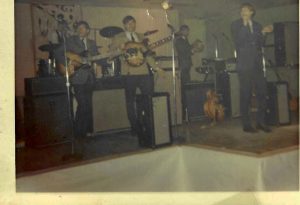
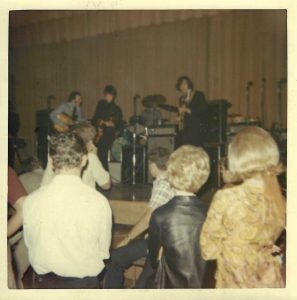
We hired off-duty DuPage County sheriffs for security, at least three and up to six men based on anticipated concert attendance. The early concerts were staged in the small building on the right-hand side of the Fairgrounds entrance driveway. (It is now doubled in size today.) The enclosed wing off of the right-hand side of the stage was used as a prep room for the bands. It also served as a secret hiding place for girls to make out with band members. The name of one of the bands (Flock?) was spray-painted on the back wall of this room. I saw this 50+ years old work of art while attending a train show in that building during the mid-2010’s. IMHO: this masterpiece should be preserved as an Illinois historical marker if it is still there.
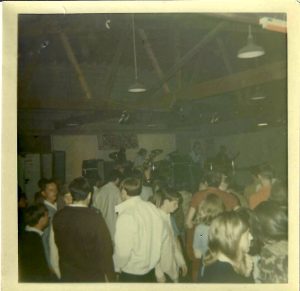
As concert attendance continued to grow, we started to use the big building on the left side of the Fairgrounds entrance road. Audiences could enjoy concerts on bleacher type seating, with the dance floor in the center of this building with a full-size stage at its north end.
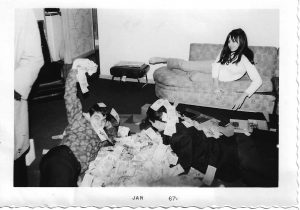
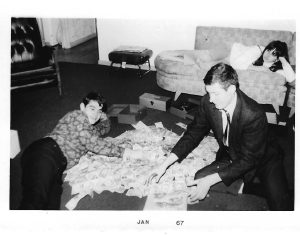
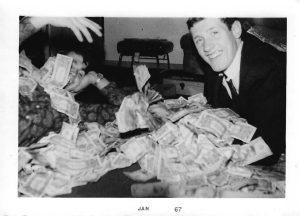
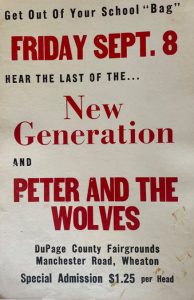
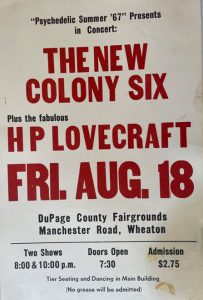
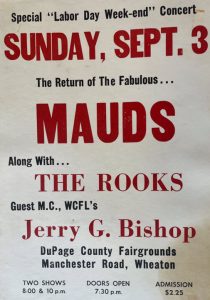
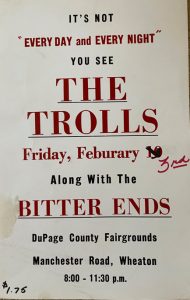
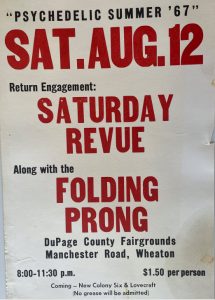
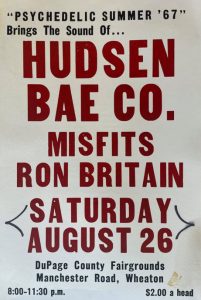
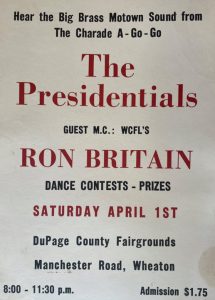
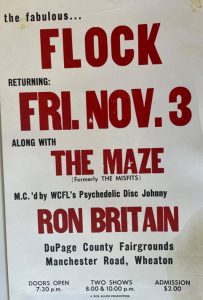
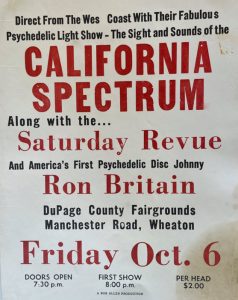
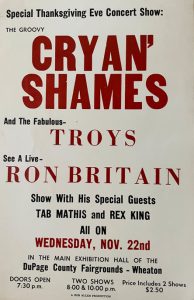
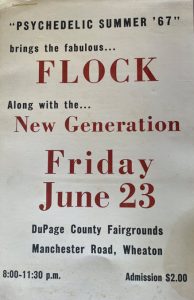
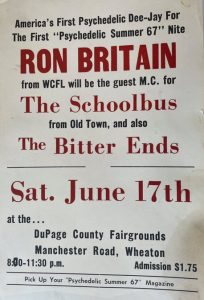
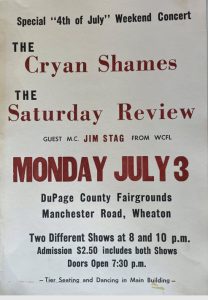
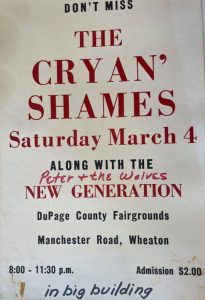
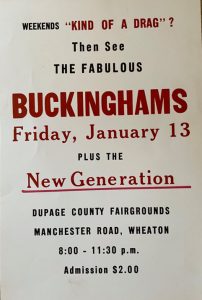
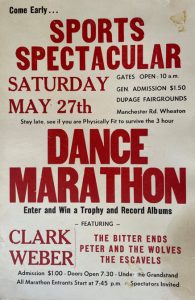
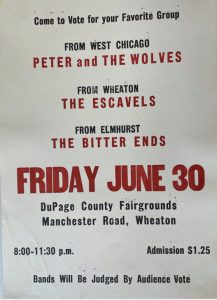
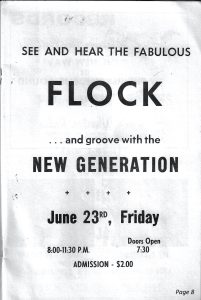
The Posters tell the story of the concerts that we produced, Posters section below. The posters are not chronologically arranged; unfortunately, most don’t include the year of the event. Several posters are missing and lost: at least two for Buckinghams concerts, and many others that advertised groups including the Ides of March, Shadows of Knight, HP Lovecraft, The Mauds – all of which had songs played on the radio in the 60’s. Notice the “small print” on some posters with cynical social swipes that were in vogue at the time. The admission prices represented a mix of event risk, primarily determined by the amount to be paid for the featured bands, along with varied degrees of BAP hutzpah and greed, see bottom row of Fun Photos below. These admission prices can be easily adjusted for inflation to today: multiply these prices by 12. A $2.00 admission then is $24.00 today, or probably $75.00 if Ticketmaster existed at this time in history.
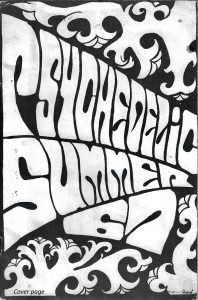
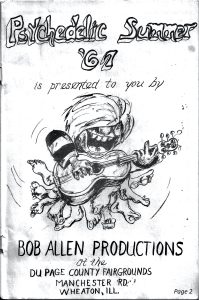
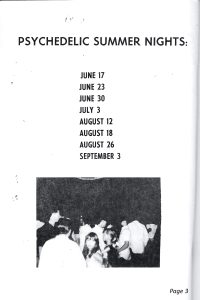
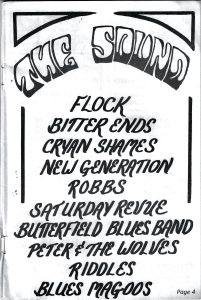
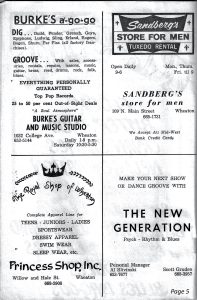
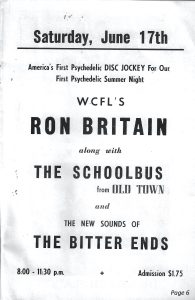
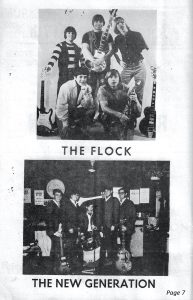
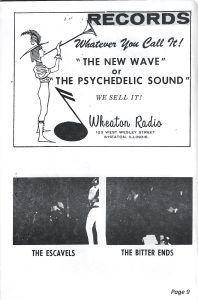
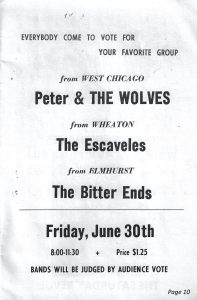
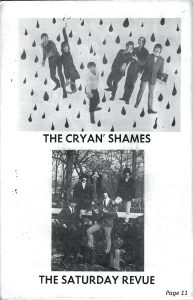
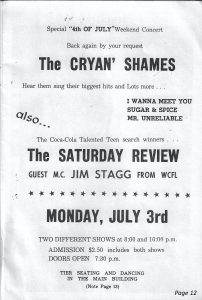
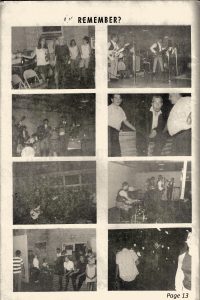
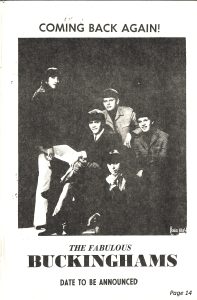
Street Level Marketing: we had the posters printed at the West Chicago Press newspaper facility. This was the weekly local “We-Go” newspaper that also did contract printing jobs as part of their business operations. We would get 50 posters printed in red and black approximately 14” x 22″. The distribution was simple; we would get permission to hang these posters in store windows. Cathy, my sister who got nicknamed “Frank”, and her two friends Chris, nicknamed “Twig” and Nori, nicknamed “Farmer”, would hop in my car, we would start in Geneva and work east to Elmhurst. I would park the car while the three of them would run up and down the streets hanging posters. Along with the many posters we also published a concert guidebook in 1967 entitled “Psychedelic Summer ‘67”. We solicited and got paid advertising, as seen in the guide, to offset printing costs. Cathy designed the book, including its artwork. The advertisers agreed to make the guides available in their stores, we also handed them out to concert attendees during the Spring and Summer of 1967. See each page of the book under the Guide Book section below.
Event Management: as previously mentioned, we had County “heat” on the premises who circulated in the crowds and also surveilled the outer Fairgrounds perimeters. The slightest altercation (very rare) was terminated within seconds, the participants were escorted to their cars, never to return for the rest of the evening. Our events were recognized as safe zones for teenager crowds.
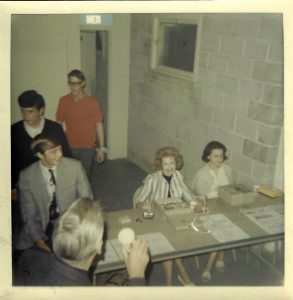
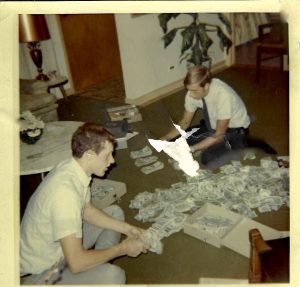
The event “Box Office” at the venue entrance was staffed by BAP parents: Slivinski, Geraghty, Vogt, Gruden and a pretty young lady named Maureen Tompkins. See: Box Office Parents under Fun Photos below. Based on cash accumulations during the course of an event one of the Sheriff Officers would drive me home in a squad car to store the cash bundles at the house for safekeeping so that it could be counted and distributed later that evening.
The Concerts: most concerts included a DJ from either the WLS or WCFL radio stations. Booking a DJ included free announcements on the radio during the week prior to the event. This gave us a city wide “celebrity” exposure while providing the featured bands with a promotional boost – a real benefit for the big four Chicago groups who made it to the national pop charts with several of their hits during this time: New Colony Six, Cryan Shames, Buckinghams and Shadows of Knight.
There are six posters that advertise Ron Britain as the celebrity emcee. One of these posters headlines the Cryan Shames: row 4, column 1 in the Posters section. Notice the two additional guests who are listed on this particular poster: Tab Mathis and Rex King. These were Ron’s comical voice impersonations that he would randomly use during his radio broadcasts. He brought a WCFL sound engineer with him for this Cryan Shames concert. The engineer inserted these voices over the sound system at Ron’s command from a tape recorder. Ron was the most popular DJ on WCFL with the 9:00 – Midnight slot. He became a “friend of the family” over time. He would casually mention our concert events on his own during his broadcasts in addition to the regularly scheduled announcements aired on WCFL during the week prior to a scheduled event. Ron would follow us home after a concert to have a night cap with us at our basement bar.
The Day the Fairgrounds Died: Concert productions continued through the Summer and Fall of ’67. We had booked the Buckinghams to perform on the night before Thanksgiving 1967. About three months prior to this event, I received a phone call from Carl Bonefede. He was a radio commercial announcer most famous for his screaming commercial: “Sundaaaaayyyyyyyyy at the U.S. 30 drag strip!!!” Coincidently, Carl was the manager of the Buckinghams. Two of the band members were his nephews. Carl’s call was to advise me that the band could not honor our contract for the November event. The Buckinghams were now under new management connected to a booking agency with nationwide reach to radio stations and concert venues. Their song “Susan” had gone to the top of the U.S. charts. (FWIW: our concert events with the major bands like the Buckinghams were pulling in over 1,000 paid attendees.) Carl gave me the name, contact person and phone number of this management company. I called the new Buckinghams manager and threatened a lawsuit if the band failed to appear. After all, we had a legally signed contract with Carl Bonefede that included a security deposit of $500.00 for this Buckinghams event.
An agreement was reached: the Buckinghams would only play one 45-minute show that evening rather than the usual two shows. In addition, the balance of the contracted appearance fee was increased from $500.00 to $1,000.00, to be paid in cash to the band’s new manager during that one performance. So, as the Buckinghams began to play I was summoned from the crowd to facilitate the cash payment. Note: given the anticipated size of the audience, which turned out to be over 1,200 kids, we had hired six County Sheriffs with three squad cars to be on the premises. Leo Portwood, the Sherriff commanding officer was briefed earlier in the evening regarding the contentious method of payment for the band. I bundled the required cash and was prepared to make the payment. The Buckingham’s manager demanded to be paid outside, in the back seat of his limo. Really? So, my dad notified Commander Portwood who took over the scene. He placed a Sheriff officer at each corner of the limo. He then opened the back door of the limo for me to enter. The cash was counted in the back seat. The manager dude then advised me: “don’t ever call us again”. Upon that cordial note Sheriff Portwood opened the limo door, I stepped out, and the limo left the Fairgrounds.
The six Sheriffs, Ron Britain and many others once again gathered after the event at the Slivinski basement bar for the appropriate adult beverages. After all of the guests had departed, Dad sternly said to me: “This was the last Fairgrounds concert. You have a family with little brothers and sisters who live in this house and we don’t know who these Buckinghams guys are, but they know you”.
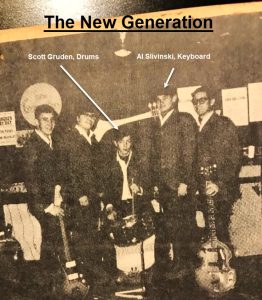
Parsons College Concert: this is the first geographically remote concert that we produced. This school was located in Fairfield Iowa, which at the time was a farm town in the middle of nowhere. (The campus is now used by a religious cult.) It had gained national notoriety because a student, no matter how low his or her test scores might be, would never flunk out with a semester grade below “C”. A C-average grade point was the required minimum for college age men to avoid military draft during the Viet Nam war. Parsons was known as a “draft-dodge” school. One of the exemplary Parsons College students at the time was a guy named John Belushi. Before his college career he would occasionally sing lead with the New Generation band. I played keyboard in the band. See New Generation in the fun photos section. John was our connection to Parsons. He introduced BAP to the school administration and helped us work through the logistics to promote and manage the event. The concert event was held on the last day of an annual event at this school called The Roman Rites of Spring (Animal House) in early May 1968. We booked Baby Huey and the Babysitters, a Chicago based 12-piece funk horn band. The band was great, but the event attendance was way below expectations. This was the only concert event that lost money for BAP. Consequently, Bob, Scott and I decided that attempts to promote remote venues in the future was too risky for us. Bob Allen Productions became history.
Epilogue:
Future and ever bigger plans for concerts at the Fairgrounds in 1968 were already in the making during the Fall of 1967. The William Morris Agency handled the major national pop recording bands. We had opened a dialog with this agency to book and promote Paul Revere and the Raiders at the end of the school year in late May 1968. We were confident that our experienced box office revenues from concerts with the Cryan Shames, Buckinghams, etc. were proof that a Paul Revere and the Raiders show could be the biggest BAP concert event and money maker to ever hit the DuPage County Fairgrounds. Unfortunately, these plans were buried in November 1967.
Everyone associated with the BAP concerts at the DuPage County Fairgrounds went their separate ways after the Parsons College event. Al, Bob and Scott soon lost touch with each other as they pursued the final years of their college and university careers. The three poster girls continued to party on through their final fun-filled high school years at St. Francis.
My brother George never witnessed any of the Fairgrounds experiences. He left for the Navy a couple of months before the first BAP concert in 1966. He returned home in the Summer of 1969, in time to be the best man for my marriage to Maureen Tompkins on September 13, 1969. We are happily married with three children and their families, including eight grandchildren as I write this chapter of suburban Chicago rock n’ roll history.
Al Slivinski
April 2026
Henderson Nevada
Posters
PSYCHEDELIC SUMMER ’67 – Guide Book
FUN PHOTOS